
Whisky decanters have long been seen as a symbol of sophistication. Hollywood loves to show powerful characters pouring a dram from a sharp-edged crystal vessel, usually to signify status, taste… or arrogance. And let’s be honest — a decanter does look classy on the bar.
But does it actually help your whisky? Does it affect flavour? And is it worth risking lead poisoning for the aesthetic?
Let’s take a look at the history, the pros, and the hidden drawbacks of using whisky decanters today.
Why Do We Use Decanters At All?
Before beautifully designed whisky bottles existed, presentation mattered — especially for wealthier households. Whisky in the 1700s was typically transported in barrels and sold through smaller vessels like ceramic jugs, pigs bladders or rough, hand-blown glass. The liquid inside was far more valuable than the container, which meant whisky rarely looked elegant at purchase.
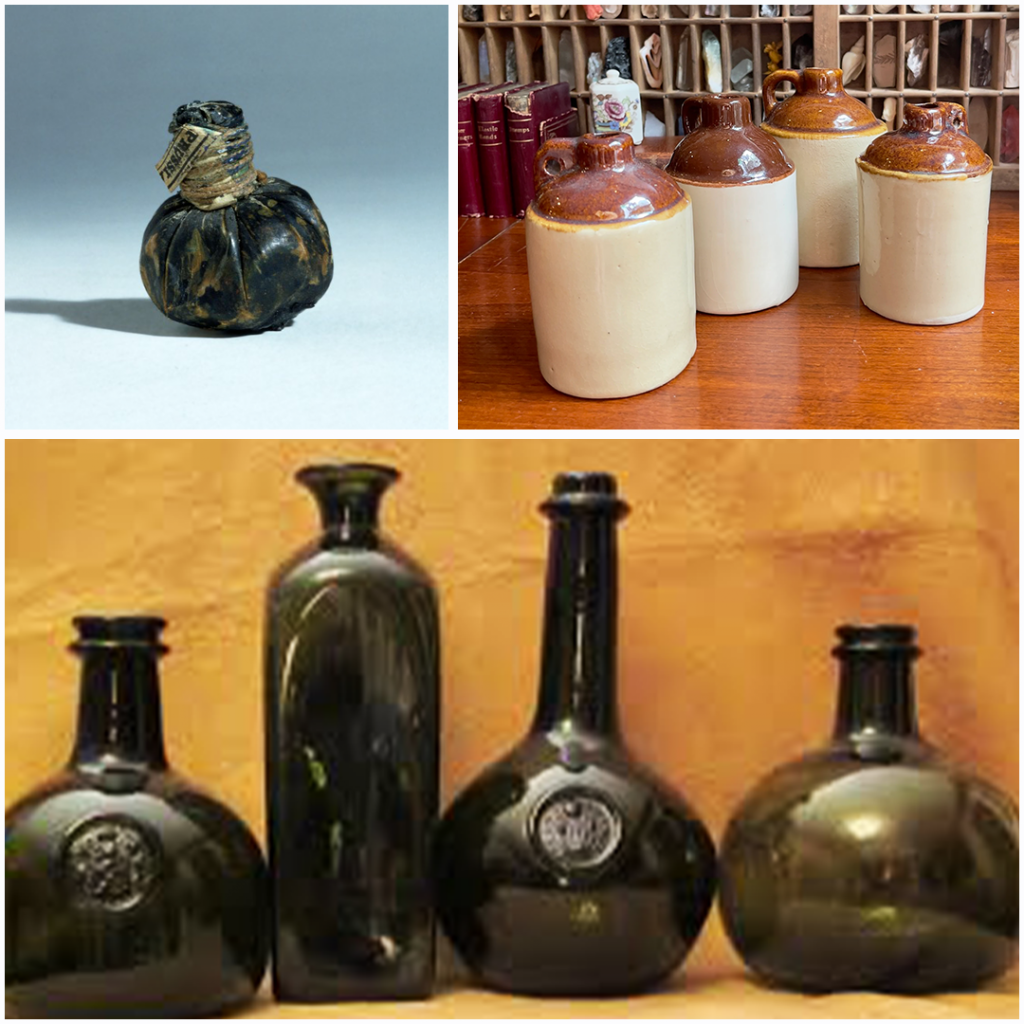
To elevate the experience, the wealthy began transferring whisky into clear glass containers for display. Once British glassmakers introduced stoppers in the 1730s, decanters weren’t just for show — they became the preferred way to store whisky at home. By the mid-1800s, cut glass styles made decanters decorative status symbols. By the 1900s, they were everywhere: in homes, bars, officers’ clubs and even cars, signalling affluence and refined taste.
Reasons You Shouldn’t Use a Whisky Decanter
Decanters are beautiful, but they do come with a few surprising drawbacks.
1. Poor Seals Ruin Whisky
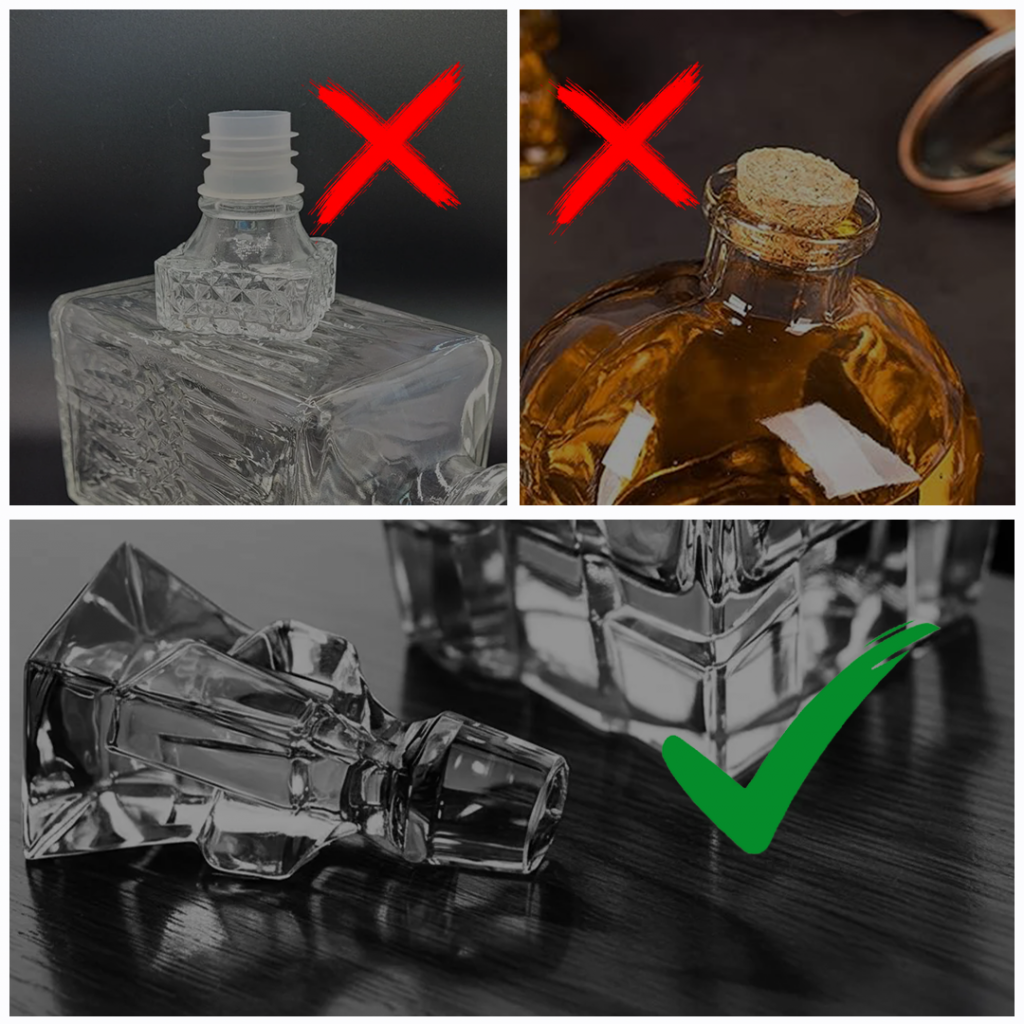
A decanter is only as good as its stopper. If air creeps in, whisky oxidises and gradually loses character. Cork deteriorates, plastic hardens over time, and both compromise a tight seal. The only reliable option is a perfectly matched glass stopper.
2. Lead Crystal is Still Out There
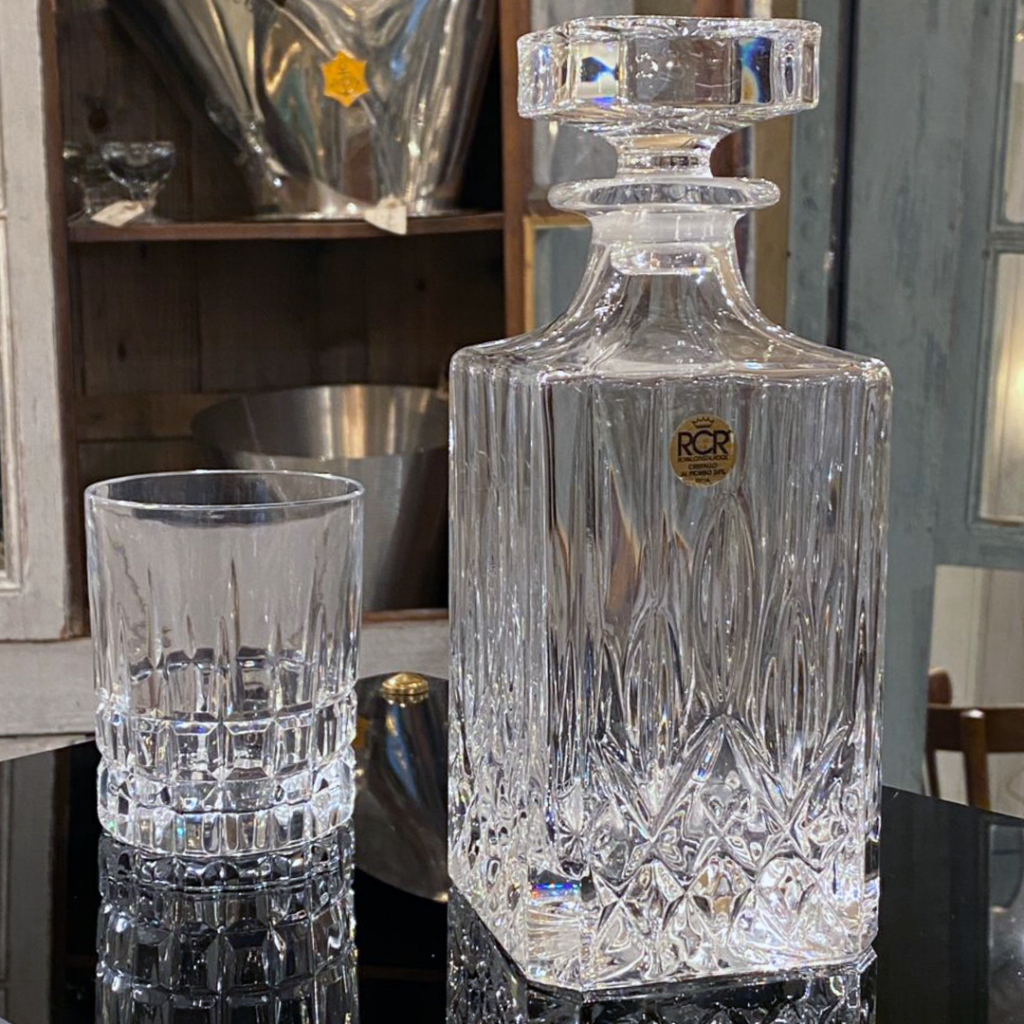
Older decanters (and many thrift store and op shop finds) are made from lead crystal. Lead oxide adds brilliance and makes glass easier to cut, but the downside? Lead can leach into your whisky if stored long term. Short use is generally safe, but leaving whisky in an old decanter for months increases the risk.
3. Modern Bottles Have Replaced the Need
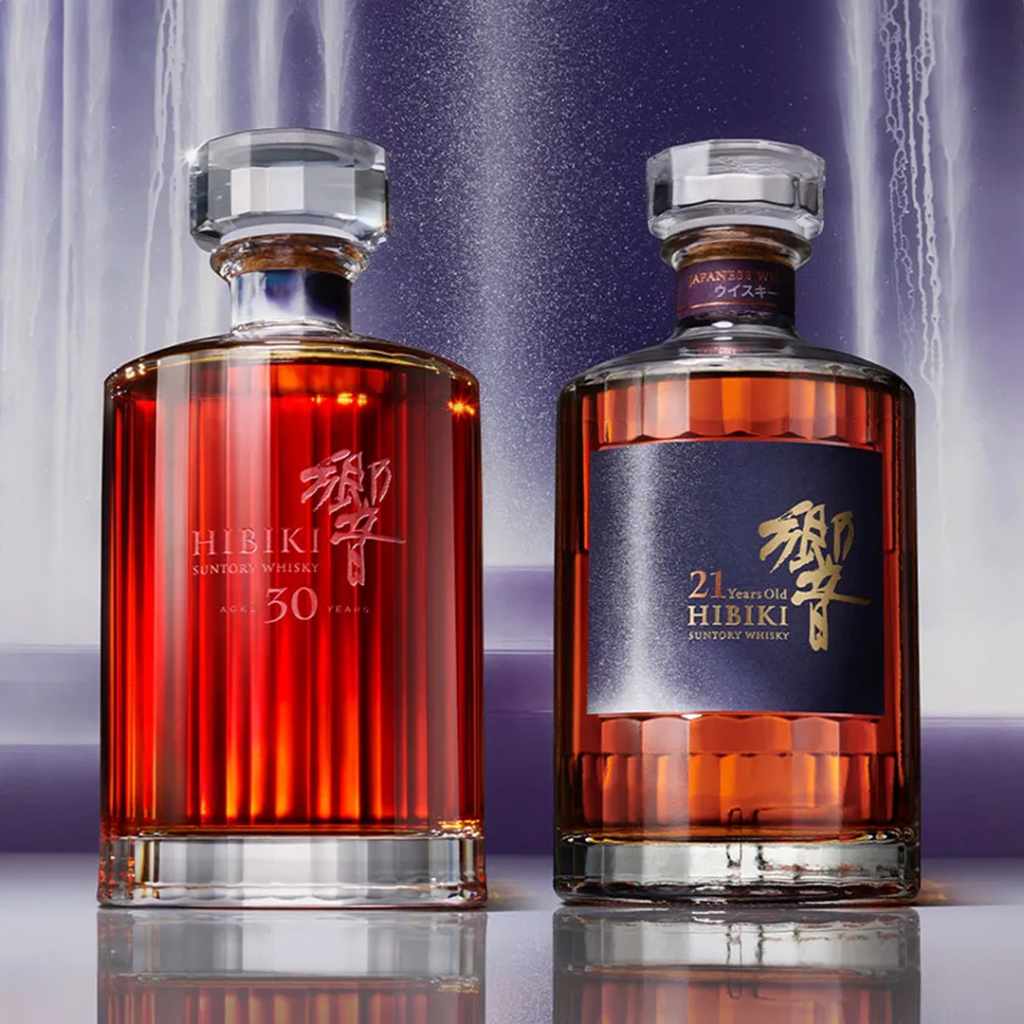
Decanters once improved presentation. Today, many whisky bottles are already beautiful, collectible, and informative. Labels tell us the age, cask type, region, strength and brand story — details most enthusiasts don’t want to lose.
With so many options on the bar, using multiple decanters would make it impossible to remember what’s inside which vessel.
Do Whisky Decanters Have Any Benefits Today?
Absolutely — when used sparingly.
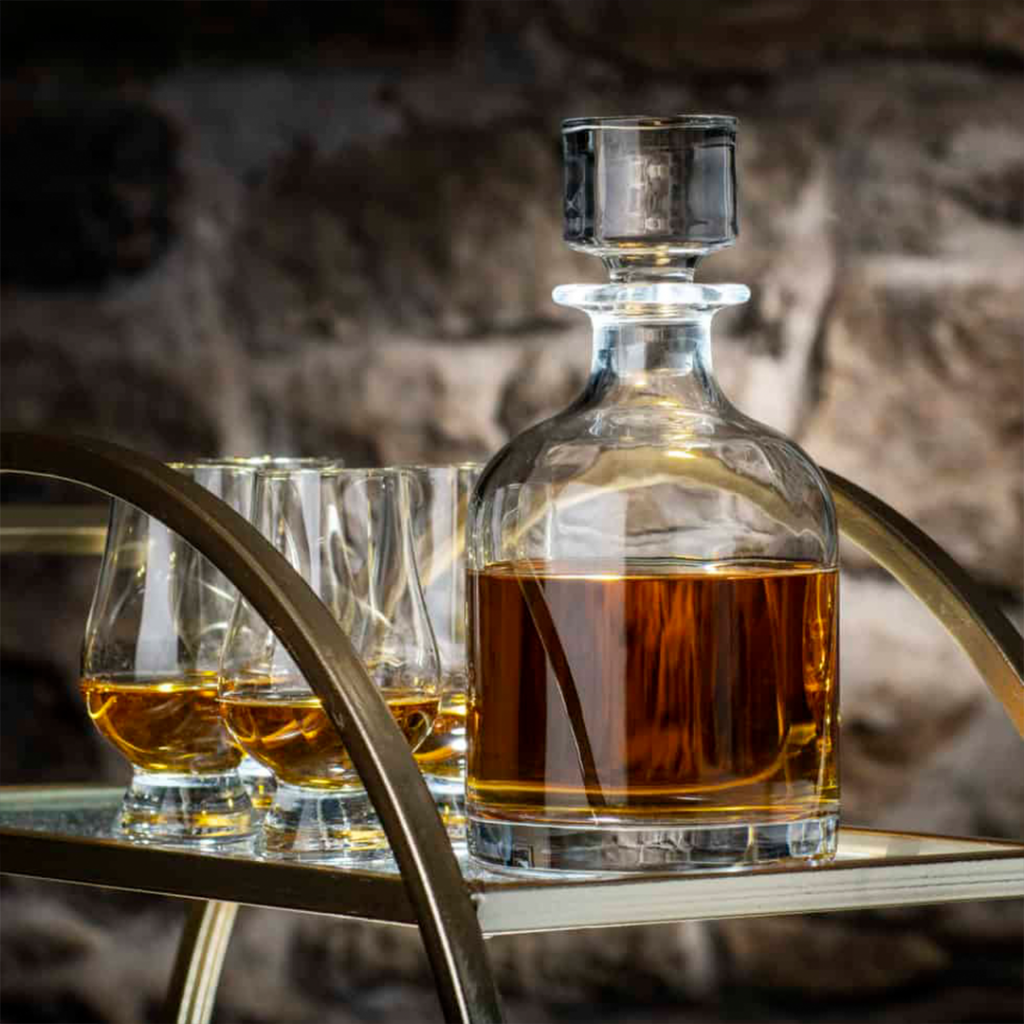
Modern decanters made with lead-free crystal are safe for long-term storage and still look great filled with a sherried Scotch, a bold bourbon or anything dark and decadent. They’re especially useful if:
- You only keep one go-to whisky stocked.
- You want a stunning display bottle for occasional entertaining.
- You prefer form over label information.
Just be selective and don’t assume op shop crystal is safe — unless it’s labelled lead-free.
Final Thoughts: Keep It Classy, Keep It Safe
Whisky decanters are a beautiful relic of tradition. They add elegance to a room, but they’re not essential for modern whisky drinkers. If you choose to use one:
✔ Ensure it’s lead-free
✔ Make sure the stopper seals properly
✔ Consider using it only for short-term storage or a single, regularly replaced favourite